
Critical Report: We love “repetitive beats” by Maisie Weinblatt
‘From time to time, like a diseased eyeball in which disturbing flashes of light are perceived or like those baroque sunbursts in which rays of light from another world suddenly break into this one, we are reminded that Utopia exists and that other systems, other spaces are possible.’ - Mark Fisher
A Temporary Autonomous Zone (TAZ) is a socio-political tactic of creating fleeting, self-managed spaces that temporarily elude formal structures of control and state authority.
INTRODUCTION
Rave culture has become the central focus of my research and creative practice. My positioning as an observer and translator has led me to examine how rave environments function as spaces of collective participation and hedonic release. Rather than approaching rave culture as simply a musical production, throughout this project, I consider it as a cultural and spatial system shaped by shared experience. The historical importance of rave spaces comes from their emergence outside of traditional cultural institutions, commonly organised from grassroots networks and temporary infrastructures. These environments allow the audience to step outside of conventional social structures and experience rare forms of connection and belonging. Within this project, I explore how these collective environments challenge dominant power narratives by prioritising participation and communal experience over hierarchy and control.
My approach within this project combines lived experience with critical observation, blending my positioning of observer, participant and as a designer analysing it. This blurring of perspective has allowed me to examine the social and spatial dynamics that shape these environments. Additionally, by engaging with theoretical frameworks that look at community, subcultures and power, I've been able to contextualise rave culture in a much broader cultural history. In particular, my research within this paper heavily considers how rave scenes developed through grassroots and enabled communities to gather around the shared experience of music and dance, fostering social connection.
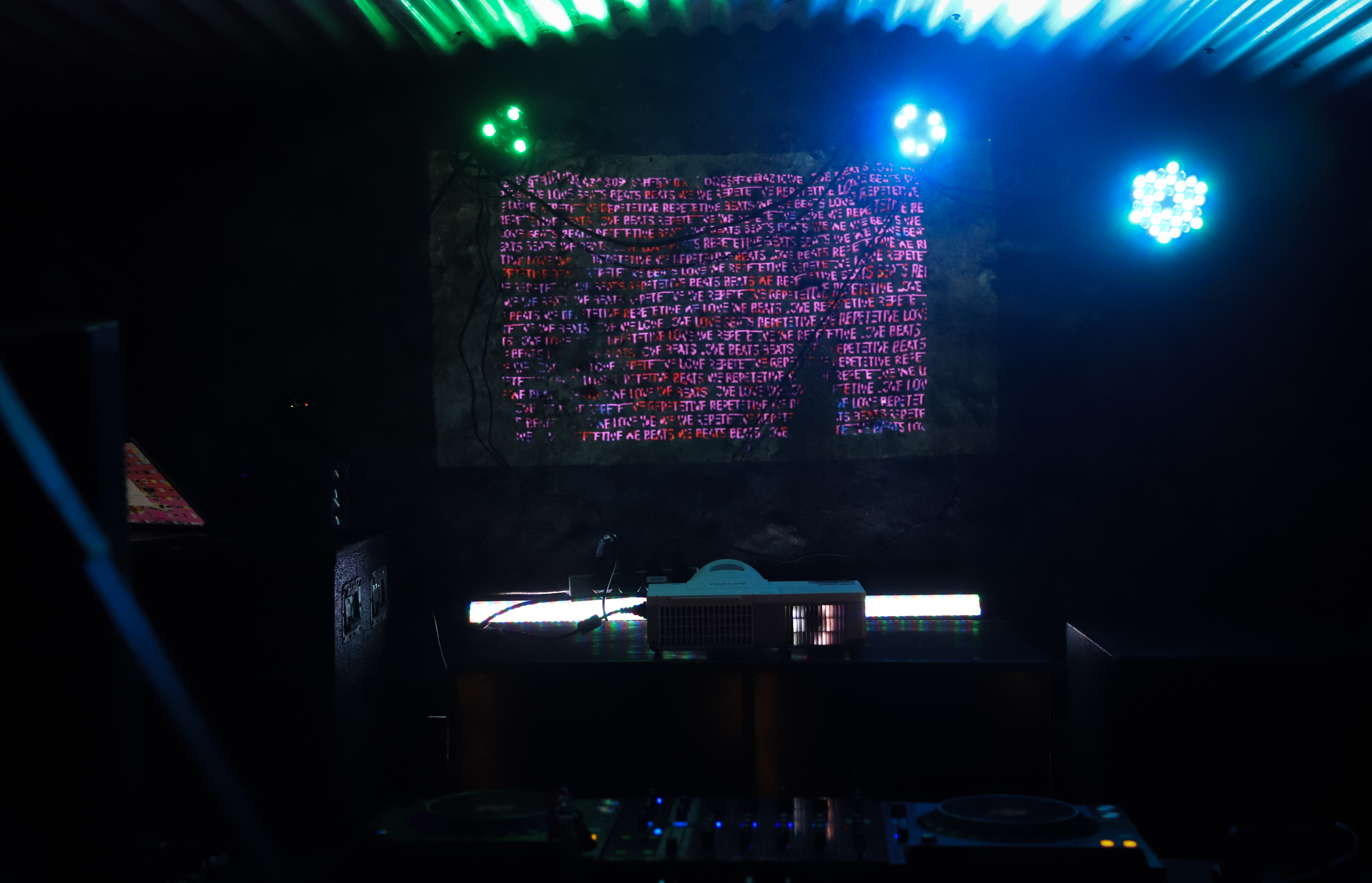
Design functions within this project as a method of translation and interpretation. As described in my research question, "How can interactive design reimagine the social, spatial, and sensory dynamics of rave culture in alternative spaces amid the decline of dedicated nightlife venues?". Within this concept, interactive design functions as the mix of digital and spatial design that responds to the audience's movement, turning my audience into active participants (controllers) rather than just observers. Focusing on how design can actively respond to how people move, touch, see and hear, and how those responses can be shaped into a collective experience. This takes shape in practice through motion-responsive visuals and large-scale projection that visualise collective movement.
The concept of “reimagining” is vital to my relationship to rave as a designer. Within this essay, I will explore critical, solution and speculative design, critiquing and examining how their core theories can be implemented within my design intentions. Throughout this process, design becomes my tool for exploring how these environments are constructed, experienced, and communicated.
Exploring and celebrating rave culture is important because these spaces historically offered an escape from dominant social structures. Liam Duncan in RAVE Creating Community: The Art of Making Space By Unbuilding, a key theoretical reference within my work, states that raves can function as temporary environments where established hierarchies related to class, gender, race, and identity are momentarily suspended through collective participation and shared sensory experience. “These events, which are often characterised by their ephemeral and autonomous nature, offer a temporary escape from dominant power structures and allow for the exploration of alternative realities.”
However, as a participant in contemporary rave, I've come to understand its increased shaping by commercialisation and institutions. Large-scale events and the heavy rise of brand inclusion have transformed many events into highly curated spectacles which focus on line-ups and ticket revenue instead of their original core values. Although many say these events still maintain elements, and I agree with them to some point, I argue that they often shift focus to consumption and (flamboyant) entertainment rather than the original grassroots morals that defined rave culture. This change causes me to raise questions about how we can maintain the original social values and what the future is for rave spaces.
My project responds to this by examining how design can be used as a tool to highlight and reimagine the collective qualities which made a rave. By observing the effects of collective movement and interaction with music in a visual form, I aim to explore rave's social dynamics. From this, the project seeks to emphasise the cultural importance of collective experience and question how design could be used to fight the growing loss of these spaces and rethink forms of community.
Wide panoramic shot
HISTORICAL ROOTS OF RAVE
Free parties and grassroots EDM events surged in the late 1980’s and early 1990’s as a form of combating the present right-wing “Thatcher” government's effort to exert control over cultural expressions. These growing temporary spaces challenged and disrupted the capitalist norms of the UK at the time and allowed for the growth of new ideas of belonging. With the rise of acid house and underground rave organisers, an increasing number of events in warehouses and fields started to take place, which “destabilised the notion of socially, politically, and architecturally planned functionality within built forms” (L. Duncan). This movement is often connected to the wider political climate of the time and the tension in late-Thatcher Britain around youth culture. In Discographies: Dance Music, Culture and the Politics of Sound, Jeremy Gilbert and Ewan Pearson argue that rave culture developed partly in response to the growing social regulation and political conservatism at the time.
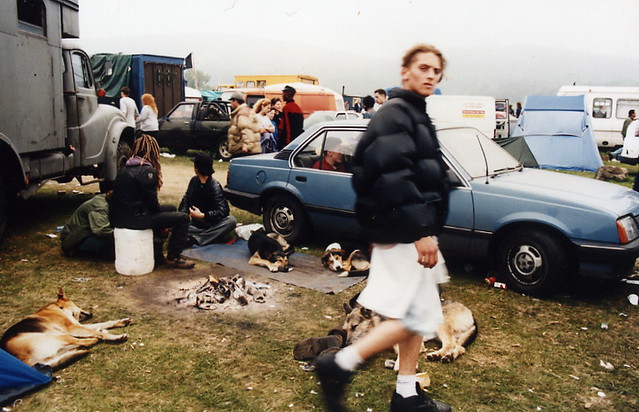
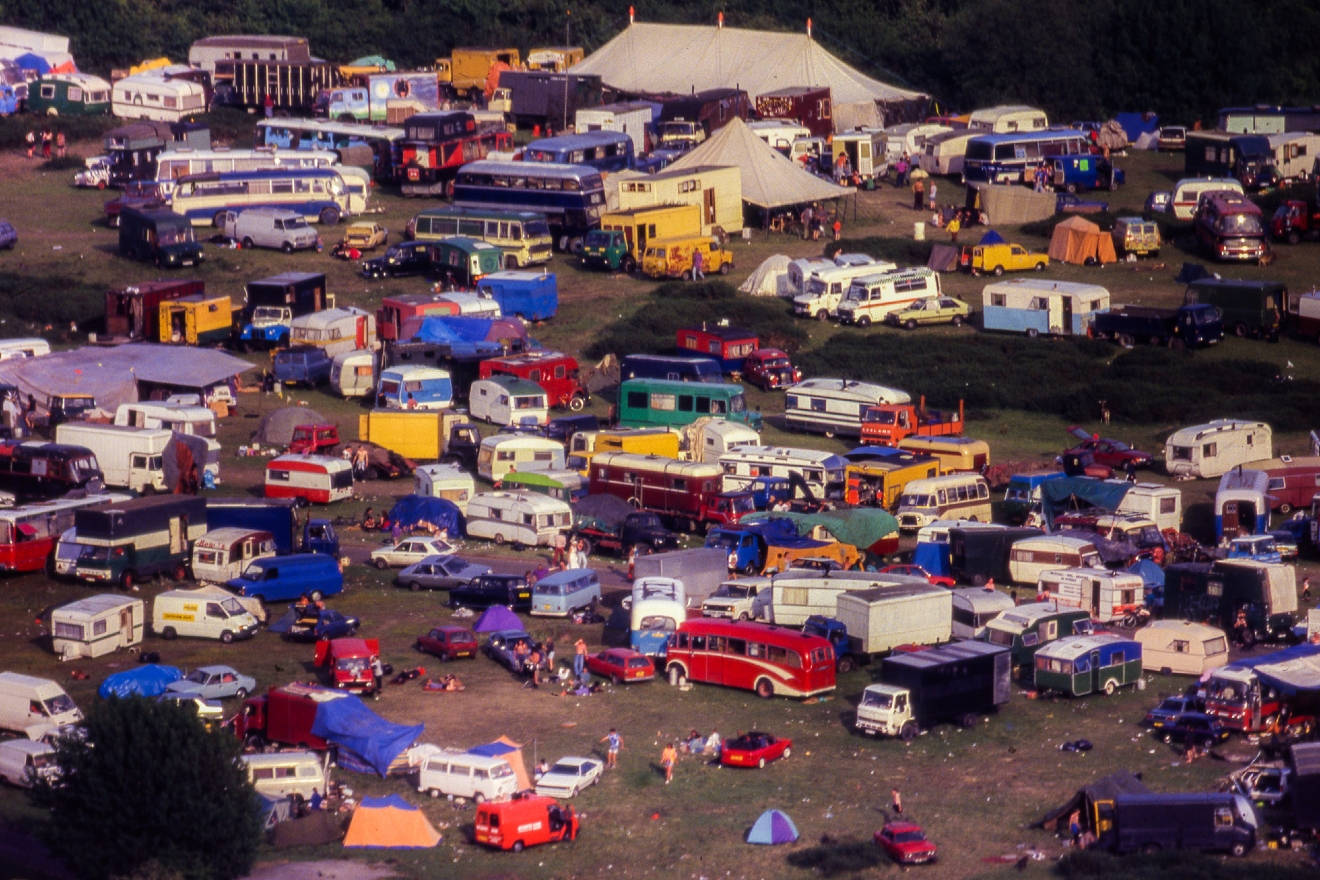
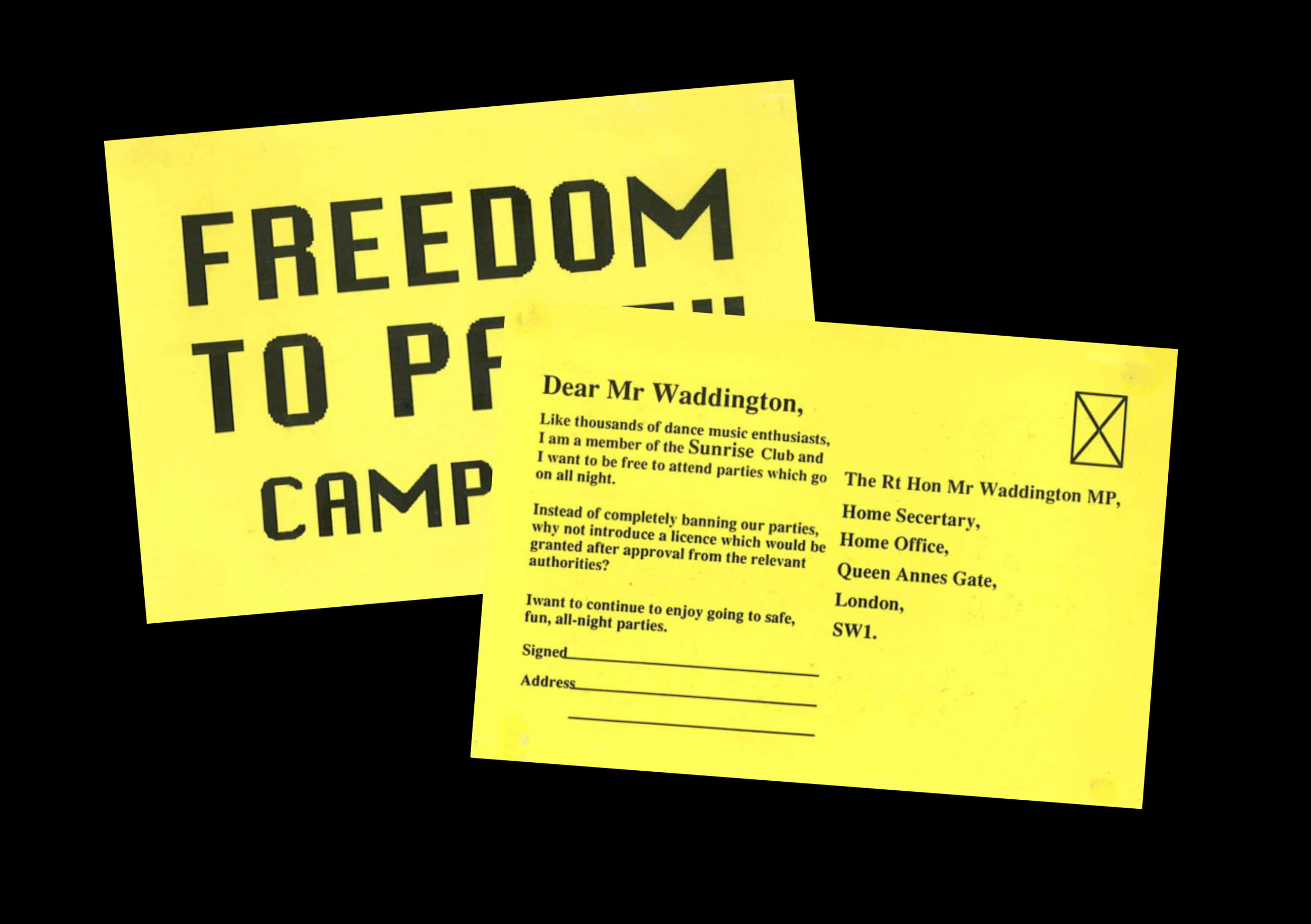
Additionally, DJ collectives such as Spiral Tribe played a significant role in the development of the free party movement. They rejected commercial club culture with large mobile sound system events. These spaces prioritised open and communal participation. Building on this, their role in Castlemorton Common Festival (1992) was a defining moment for the relationship between rave culture and the British state. The media attention gained from Castlemorton became a direct factor in the introduction of the Criminal Justice and Public Order Act 1994, which attempted to end raves by targeting gatherings of “repetitive beats”.
Moving on from this, I believe when discussing the rave's cultural importance throughout history, it's imperative to recognise UK sound systems' influence on the modern-day community. Brought to the UK by the Windrush generation, Caribbean communities introduced sound systems, creating their own social spaces in response to exclusion from mainstream venues and prevalent racism in club culture. These events prioritised community and self-organised musical autonomy, which later established models for current cultural spaces that exist outside of dominant norms.
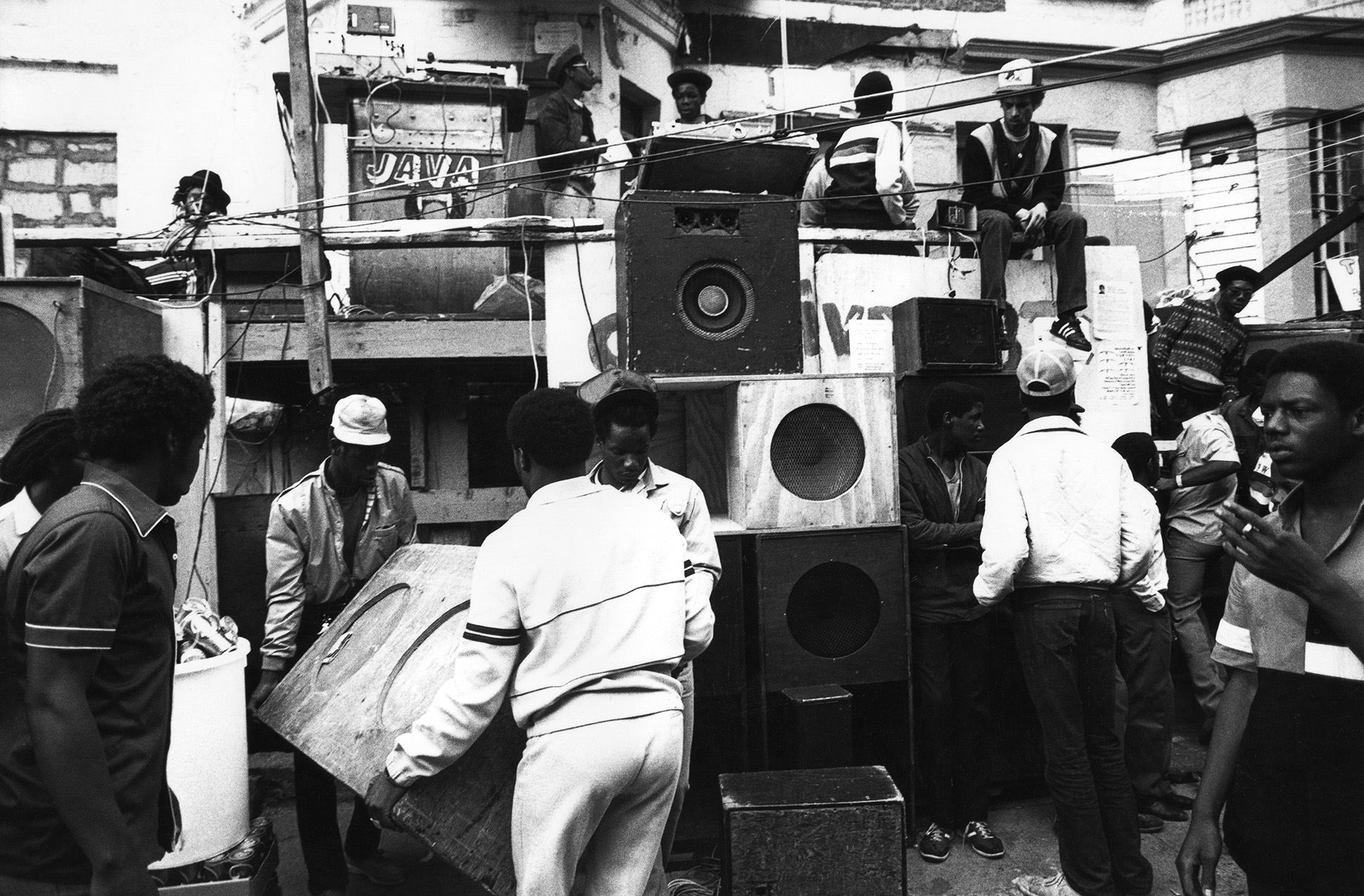
These early gatherings acted as spatial interventions, using music as their tool to fight against oppression. By occupying streets and informal venues, they redefined where moments of cultural participation could exist and created shifts from institution-led and functionally planned architecture. Additionally, early sound system gatherings had and continue to have an emphasis on bass-heavy music and beats; the volume and magnitude of the bass created a space for collective movement and a dance commonly known as skanking. These spaces acted as environments where identity was experienced physically as much as socially and reinforced feelings of belonging. In many ways, sound system culture established the blueprint for raves, acting as a space structured by collective presence.
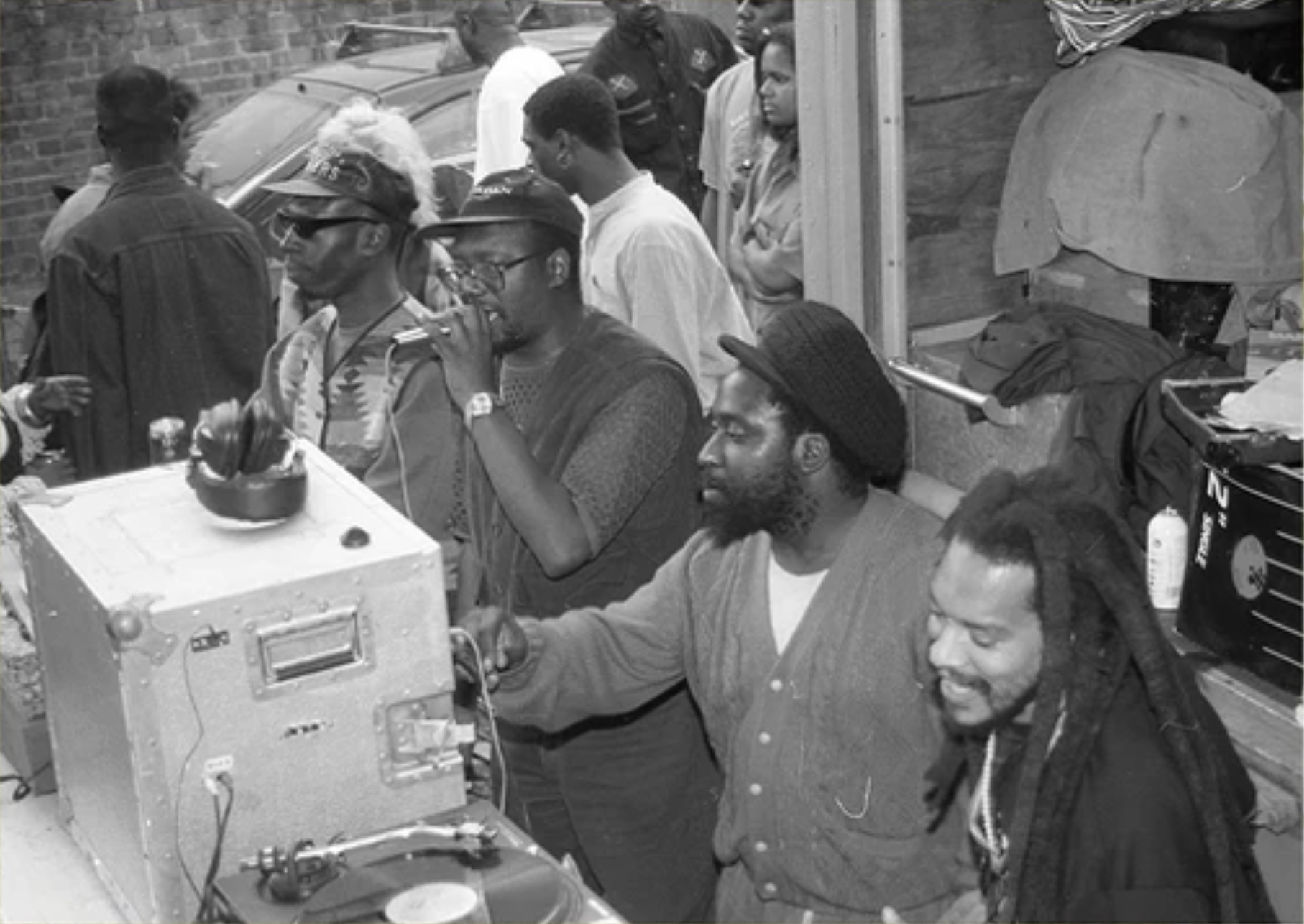
Acknowledging the history of sound system culture is crucial when examining rave as more than just a room of young people poppin' and throwing dance moves. Raves are not a new phenomenon, but can be understood as an extension of these earlier practices that celebrate autonomy and community formation.
Therefore, it’s important for me within my practice to position rave culture within its longer history of communities when navigating how it challenged systems of control and exclusion. And investigating how, in the modern age, we can draw from their values and harness them in new contexts? Within my FMP, it's important to reflect on the historical context in which my work exists, and actively engage with this knowledge to cement my work within its larger cultural existence.
THE IMPORTANCE OF "RAVE AS A TEMPORARY AUTONOMOUS SPACE"
Rave culture directly challenges existing power structures in society, and my work engages with this by highlighting how rave spaces create “Temporary Autonomous Zones (TAZ)” where dominant social hierarchies are distorted. Liam Duncan describes them as “…socially heterogeneous, in that they can challenge and suspend traditional capitalist, patriarchal, and heteronormative divisions of class, gender, sexual orientation, and race.” This removal of approval or validation through physical appearance or cultural background strongly contrasts with the current social structures we face. Rave culture is also deeply rooted in youth and counter-cultural identity, being used as a tool for self-expression. In RAVE, Duncan describes it as “a party… a hedonic release performed collectively through the surrender of the body to loud music.” I’ve focused on these ideas of communal experience to highlight how rave culture allows people to be part of cultural production that exists outside of traditional power structures.
However, while rave culture historically functioned as TAZ’s, it is also important to critically examine how rave spaces have changed over time. The commercialisation of raves, as discussed in greater detail later in this paper, has complicated many of the early ideals associated with rave culture. This shift raises important questions about the extent to which rave culture still operates as a “Temporary Autonomous Zone”. While the physical structure has remained similar in many ways and still has the ability to create moments of collective experience, the economic structures often reinforce the heirches raves once tried to dismantle. Within this context, the rave space is much less of a spontaneous social environment and more of a controlled and confined cultural product.
In parallel, I would be overly simplifying to suggest that rave culture has completely lost its countercultural essence. Even within the commercial elements, moments of collective participation and shared sensory experience still occur. The dance floor remains the same, and so does the concept of removing individual identity in the goal for collective movement. The act of dancing together and sharing a physical space is a core component of this connection, and I aim to reimagine it within my work.
Building on this, within my own work, the relationship between personal autonomy and commodification has become an important part of my exploration. As both a participant and a designer, I find myself navigating dual positions. These observations on the tensions have raised questions about how to design engagement with subcultural environments. Graphic Design has a significant historical role in shaping the culture, with examples such as DIY flyers and pirate radio promotion. However, in the modern day, these visual systems walk the line of supporting grassroots values or becoming part of their commodification.
Therefore, within my project, I attempt to approach design not as a tool for promotion or commercial gain but as a method of observation and admiration. Exploring how design can act as a tool for responding to collective movements and dynamics that already exist within rave spaces. By focusing on these elements instead of creating work that directs behaviour or imposes a narrative, I aim to capture the hedonic qualities the culture produces.
POLITICAL PARTICIPATION AND DIY CULTURE
Now having established the historical context and current theory embedded within my project, I believe we should introduce the concept of the rave as a space for neo-tribal social and political participation.
Sarah Riley in The ‘Pleasure citizen’ analyses partying as a form of social and politcal participation and states “These activities (partying) orient around leisure and consumption and fall far outside the usual remit of a traditional understanding of political participation.” but “Leisure then, may provide key sites for young people’s social and political participation, which we argue is in part enabled though neo-liberal constructions of subjectivity and citizenship that have tightened relationships between identity, consumption and participation.” (Riley, More and Griffin, 2010). Her argument suggests that leisure spaces can serve as key sites for young people to navigate identity and belonging. Within this framework, I argue that participation in nightlife and rave environments becomes a way of expressing collective identity and negotiating dominant social structures. Further, the rave is much more than something purely recreational; it also represents forms of social organisation that challenge assumptions about where and how political participation occurs.
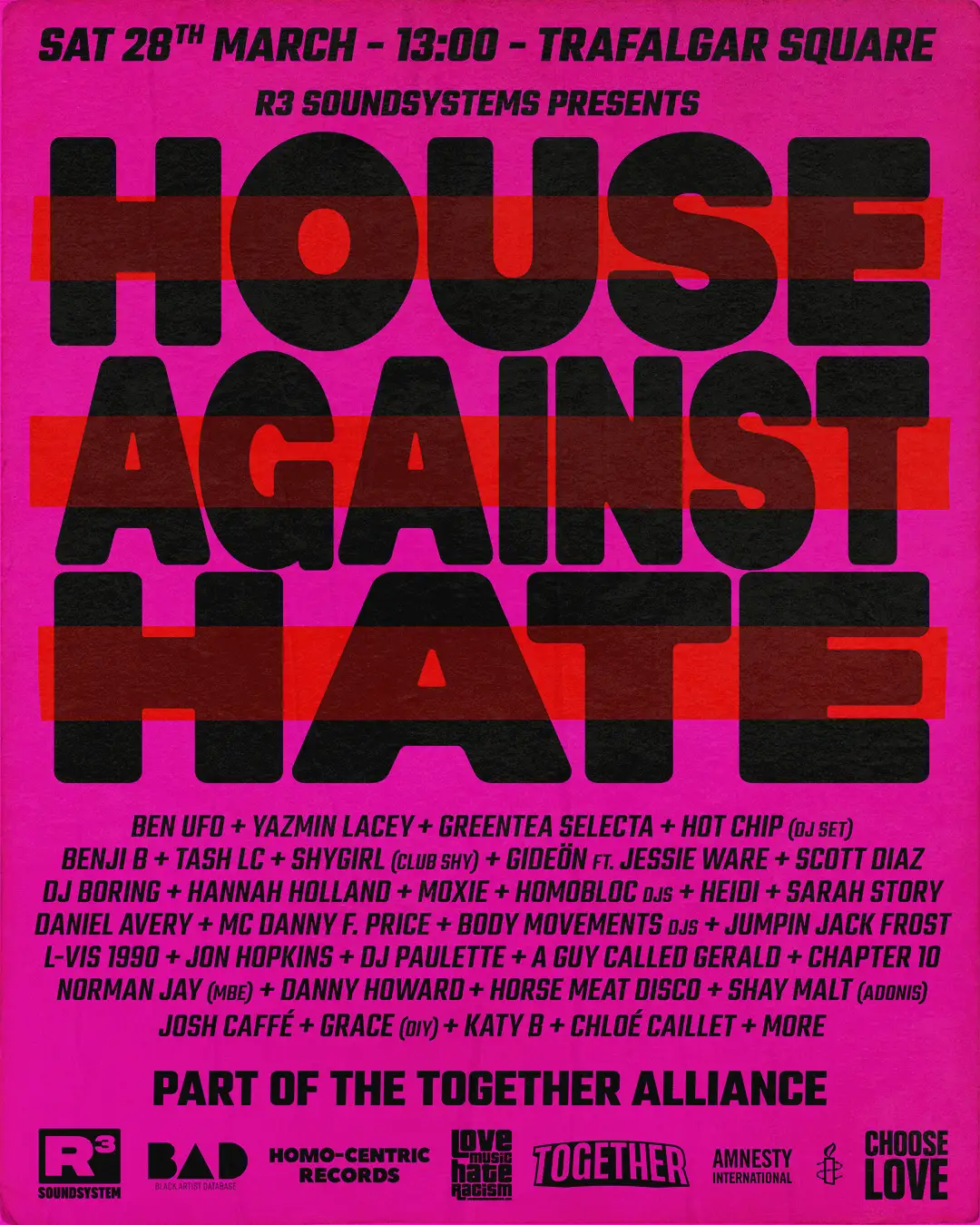
A current case study of this in action is the House Against Hate’s (2026) return to TOGETHER AGAINST THE FAR RIGHT, which utilised rave aesthetics and sound systems as a tool of political resistance, branching from traditional methods of protest. Together against the far right employs music and shared music to create community, but through the lens of political expression. TOGETHER AGAINST THE FAR RIGHT reflects a counter-cultural movement employed by the 1990s underground rave community by highlighting the use of sound systems as tools of dissent, being used to both amplify voices and project the music that brings individuals together in movement. It utilises and transforms rave culture into political action, as well as destabilising the predetermined notion of a space into one where social change can occur in alternative forms.
In doing so, House Against Hate 2026 acts as a pure example of how participatory leisure can function as a form of political expression, crossing the line between pleasure and protest. I believe that this case study acts as further evidence that the creation of TAVs and their use as tools for social engagement can create opportunities for alternative political participation to occur.
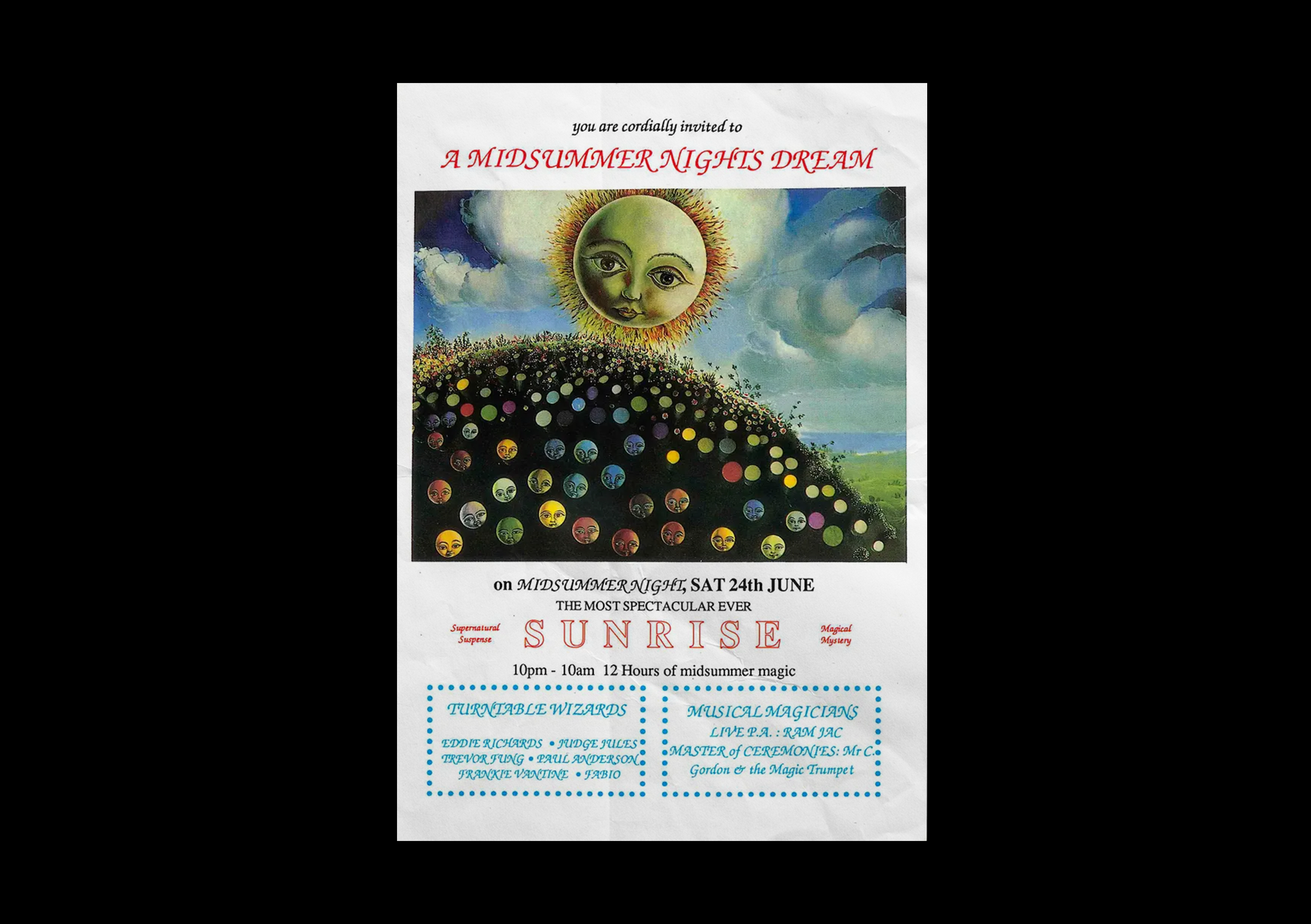
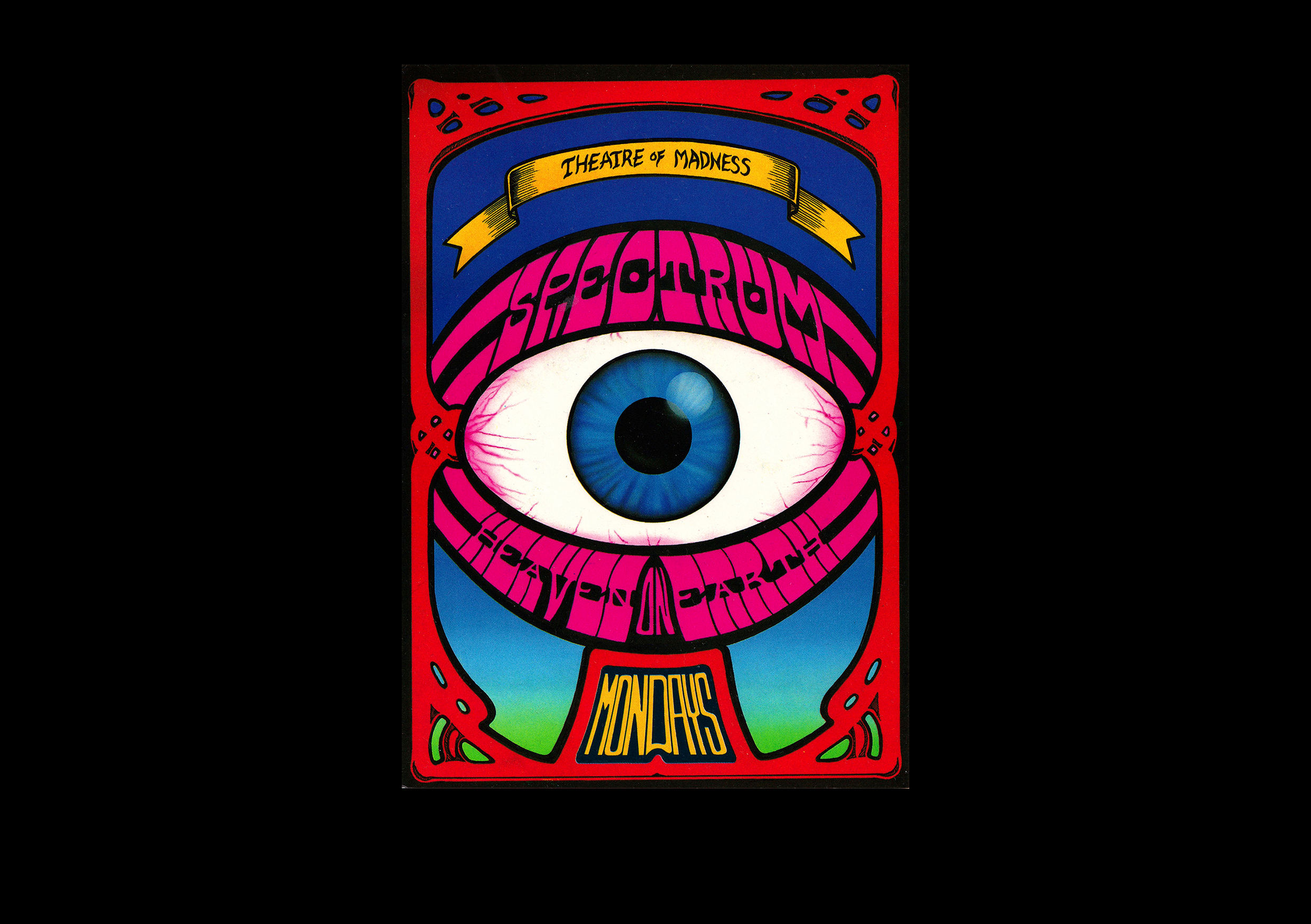
Rave's connection to political participation can also be recognised through its purpose-built visual language. Briefly discussed earlier in this critical report, DIY flyers and posters are iconic to the scene and have caused vast aesthetic influences on the broader graphic design world. In particular, 1980’s- 1990’s flyers are inherently secretive, often featuring minimal informative imagery. This deliberate design choice could be linked to the nature of early raves: minimal photography, underground and often illegal. Their simplicity allowed space for imagination, giving their audience an opportunity to theorise and predict what they were in for if attending this event. Additionally, many flyers used collage and DIY methods to create their imagery, which has visual ties to other counterculture design practices, as well as enforcing ideas about the accessibility of rave production and upholding the argument that anyone can create their own TAZ. Moving on from this, psychedelic imagery can also be frequently seen being used in rave flyers, which, in my opinion, connotes these events as being ‘out of this world’ or portals away from the norm. The flyer from Sunrise: A Midsummer Night's Dream, June 1989, at White Waltham Airfield in Maidenhead is a prime example of how designers utilised these ideas of escapism within their design. I link these design choices to my argument that raves are spaces for escapism. The flyer's use of abstract imagery directly influences the idea that raves act as spaces outside of the norms.
MY DESIGN POSITIONING AND METHODOLOGY
In recent years, the rave community has become the centre stage of my design practice. As an active member within this subculture, my practice emerges from lived experience as well as observation. Being a member in the space and having an admiration and love for it, my observations have taken agency over my design practice this year.
I believe that the collective hedonic release that the dance music community creates is precious and is something I wish to uplift and share with larger audiences.
Moving on from Unit 9, I had deeply established my practice in navigating the rave community. My decision-making in changing my positioning as a designer, dependent on my audience's needs, had also become fundamental to my process. Reflecting on this, my first major decision in the development of my project was to continue this engagement and method of thinking.
This choice was further reinforced through discussions with my community of practice, where we largely identified ourselves as observers and translators, and although I don't believe this allocation of roles is binary, I resonated with these concepts.
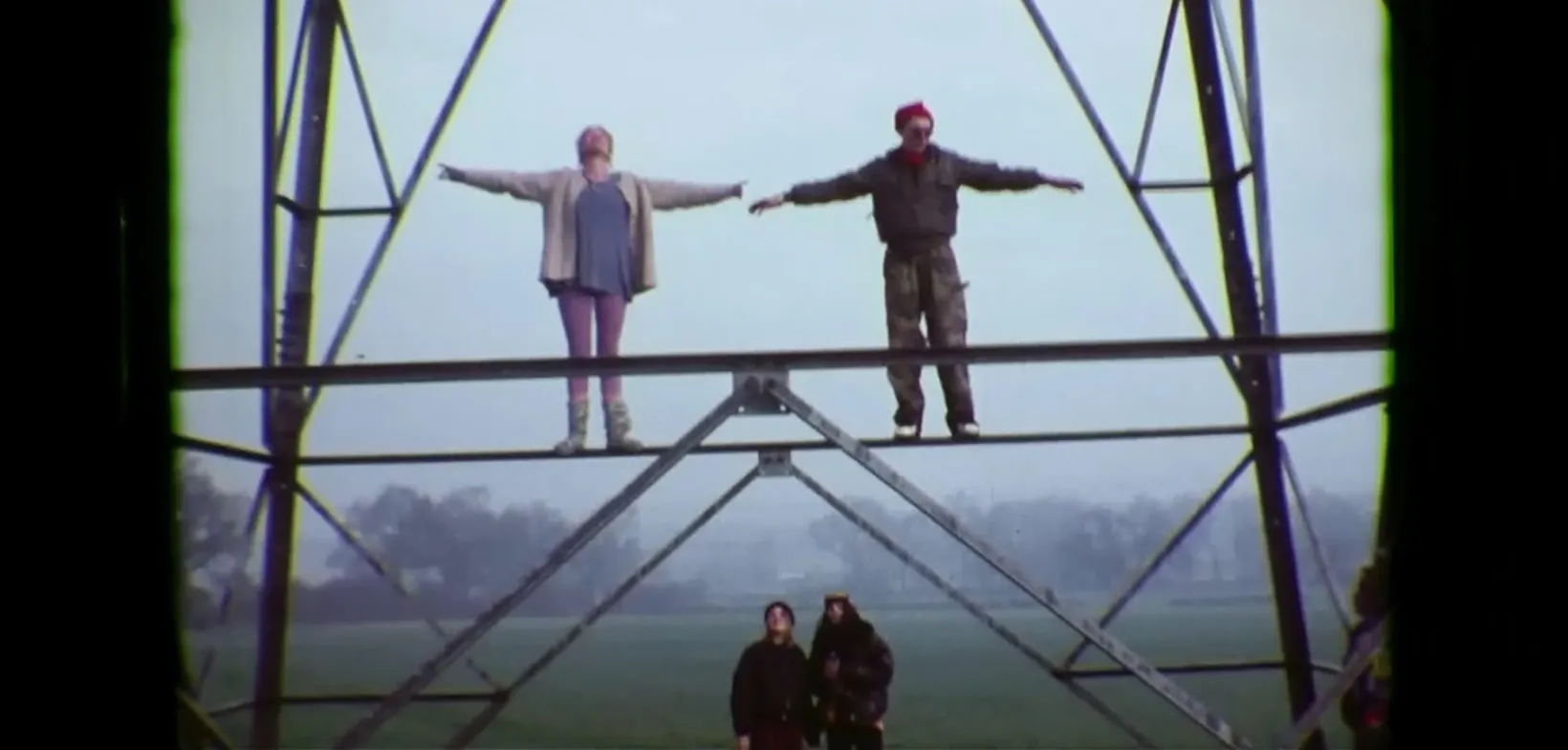
When addressing the cultural frameworks surrounding design, I’ve found myself aligning with the concepts of autoethnography as a method and a way of thinking. Within this, I have positioned myself as the subject as well as the observer. Allowing my practice to operate as a dual system. As a designer simultaneously embedded within these experiences while also stepping back to analyse and translate them. This relationship with my subject creates a dynamic where my personal experience isn't just expressed but actively examined and shaped into my work. This concept of dual positioning mirrors the work of Jeremy Deller, in particular “Everyone In Place”, which translates the larger contextual importance of rave culture to a new audience. Deller uses his proximity to the scene, drawing from personal and collective memory and using them as tools for examining the wider cultural narrative. Deller’s methods in this project demonstrate how individual experience can be expanded into a collective understanding, which I believe aligns with the use of autoethnography to connect personal insight into broader social frameworks.
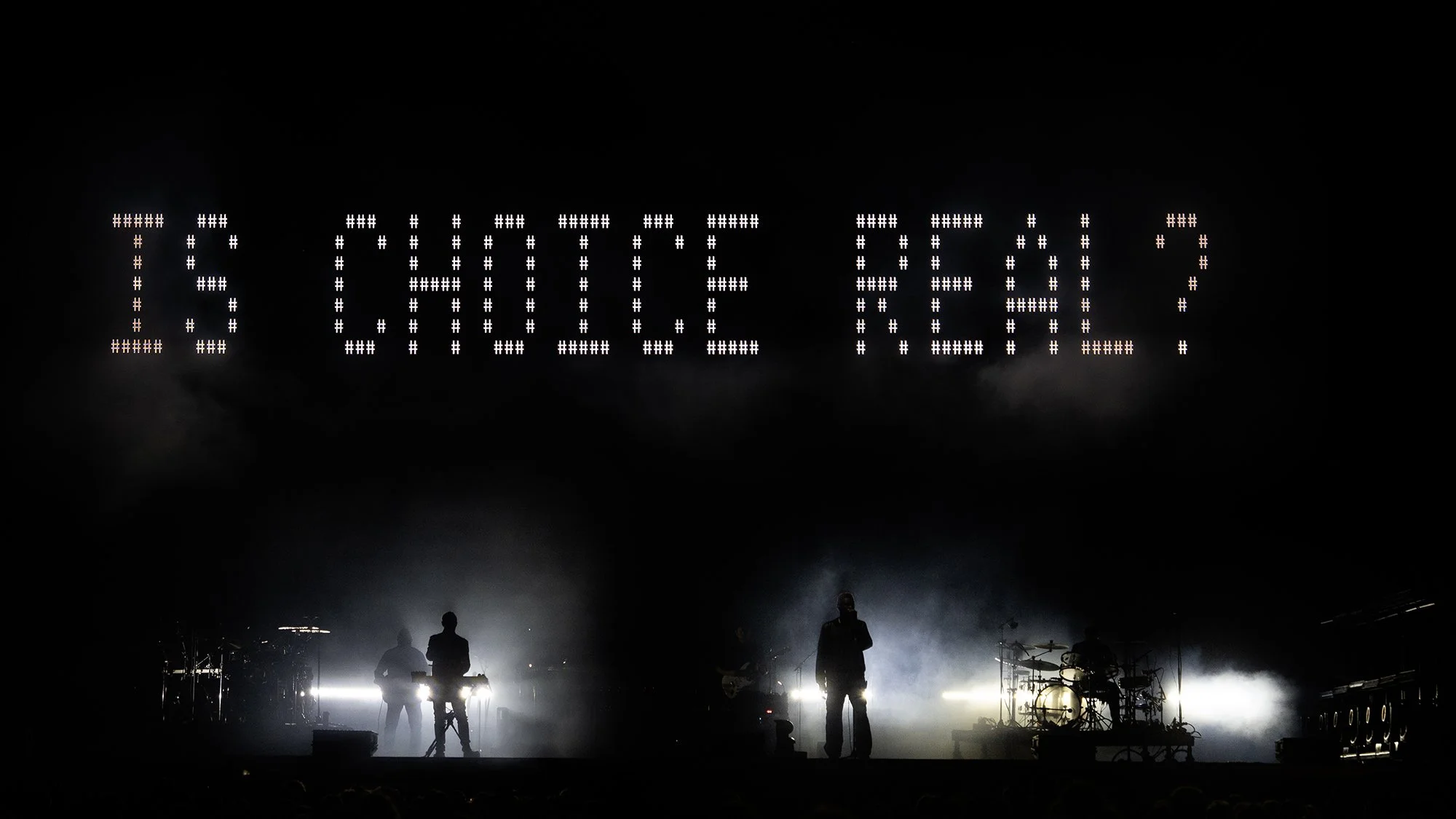
Additionally, my approach has similarities with the London-based studio United Visual Artists (UVA), whose installations merge light, sound and space to create immersive experiences. As well as scaling their work, which influenced my project thanks to their use of logic, similar to mine, their work only fully comes alive through the audience's movement, using responsive systems to make visible how our experience of shape shifts depending on behaviour. This feels directly connected to the values behind my own project, because it places the audience in a similar position, drawing from links between the dancer and the dance floor and the idea that participation doesn't just add to the experience but makes it. UVA also has collaborations in a music context, an example of this being their work with Massive Attack. This shows how visual systems can reach further than the screen and into space and sound, turning shared gatherings into environments that respond to people viewing them. My FMP asks a similar question, just at a smaller scale: how can interactive design make collective presence visible? And how can design be used to reflect social energy between people?
Within Graphic Communication Design, this positions my work between documentary and speculative visualisation. On one hand, I borrow the visual strategies from club imagery and sound-system flyers, using bold typography and the layering of images as a visual homage to the graphic history of the scenes I work within. On the other hand, I push these traditions into interactive media, using movement as a graphic element in itself rather than just an assumed context.
The core ethics of my practice (care and community) stem from my involvement in music spaces. My involvement in these spaces has played a significant role in my personal identity and in shaping my sense of individuality, providing moments of connection and belonging. However, rather than threatening these experiences purely as individual, I zoom out and understand them as part of a larger cultural framework, an example of this being my previous Unit 9 project. Therefore, my practice uses my personal narrative as an entry point into larger discussions around the formations of communities formed around dance music.
Within the context of my FMP, this framework approach becomes more evident through my project's focus on collective hedonic release and shared sensory experience. Using autoethnography allows me to treat my experiences as valid and valuable knowledge, whilst simultaneously recognising how my position in them is a part of a much larger cultural system. This viewpoint assists me in not recognising that these experiences are universal, and instead translates them into a form that invites audiences to recognise and reflect.

When analysing the context of my FMP, this framework is apparent; my observations of the importance of collective hedonic release paired with shared sensory experience have become the subject of my translation to a wider audience.
I believe my primary audiences for this project will contain two groups: people who are already embedded in nightlight culture, as well as those who encounter it mainly through media or public discourse. For those already inside the scene, I aim for the work to offer a reflective process, an opportunity to see their own collective practices visualised and valued. And for audiences outside of rave culture, the project aims to act as an entry point that reframes nightlife culture as a space for community building. By designing the project in a way that only “activates” in response to shared movement, I'm asking my audiences to reflect on their own position in relation to the work. I aim for this to create an interesting dynamic between both parties and further cement the ideas of individuals coming together for an overall gain. Throughout the development process, my work was tested at parties and raves; this method, however, only showed the piece to one of my chosen audiences. Its contextual clues and interactive methods were more easily picked up and enjoyed as the audience members had prior knowledge of the culture. However, I also believe this piece could simultaneously exist within a gallery or educational setting, which relocates rave cultures, taking it out of context and placing it in a more critical, research-led position.
Ultimately, my practice transforms lived experience into a form of critical design inquiry. By embedding my own perspective within the work, I am able to reflect on cultural practices and identities from within, using design not only as a tool for representation but as a means of exploring how these experiences are constructed, shared, and understood.
MY ETHICS
This positioning has led me to ground my work in empathy-led and community-informed design methodologies. When working with sensitive subjects, particularly those concerning drug use and harm reduction, ethical responsibility becomes vital. Within my practice, I chose to situate it as a collaborative and responsive process rather than problem-solving from a distance. When engaging with sensitive subjects, particularly those surrounding drug use and harm reduction its vital that ethical responsibility is at the forefront and acts as a central framework that informs each stage of my process.
In my Afters project, I approached interviews and research through a framework of care rather than authority, drawing on Measham’s normalisation theory (1998) to contextualise drug use as socially embedded rather than defiant behaviour. This approach allowed the project to move away from moralising narratives and instead create spaces that support open dialogue. Although my Unit 10 project doesn't focus on harm reduction surrounding drug use, I still believe that this framework and the importance of care are vital and a core component of my process.
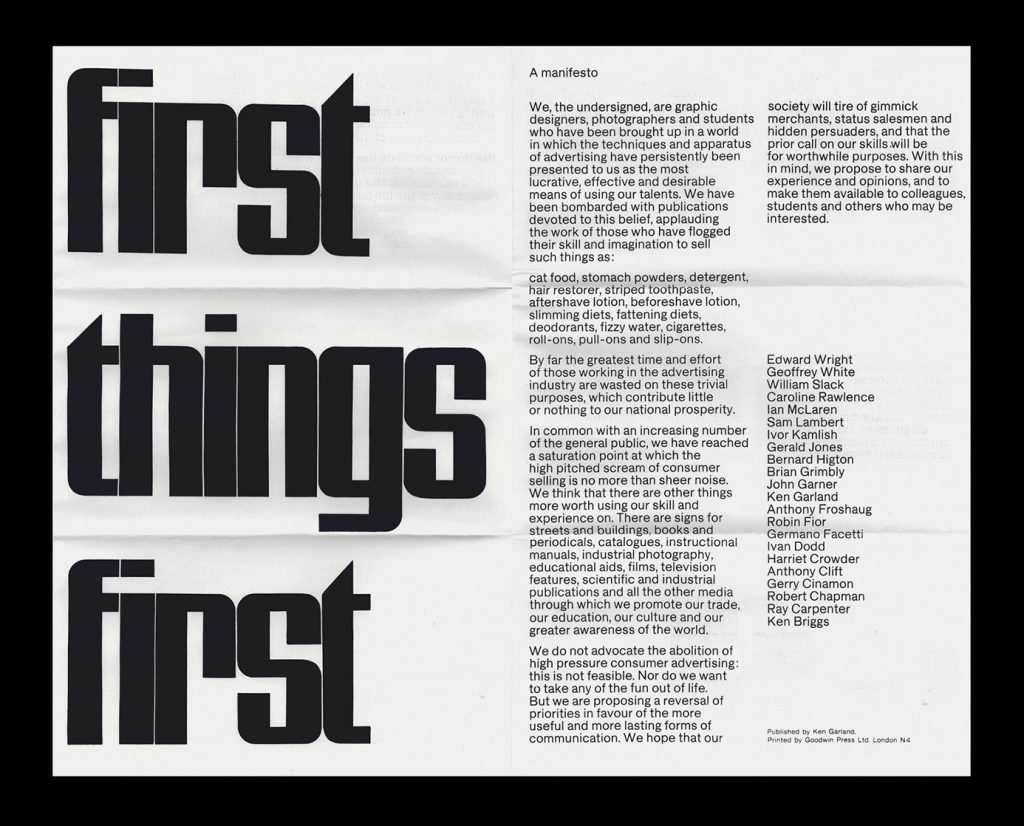
Additionally, I’ve found myself once again aligning with the work of Jonathon Barnbrook and Adbusters’ anti-consumerist interventions as ethical frameworks. The First Things First Manifesto (2000) continues to be a crucial reference point for my practice, as it acts as an ongoing ethical checkpoint through my process, ensuring I place my work outside of conventional advertising models. The First Things First Manifesto prompts me to question the intent and audience of my work, as well as to actively resist the pull of conventional capitalist advertising models that prioritise consumption.
As a result of this, my practice prioritises ethical care and cultural recognition over commercial outcomes. Throughout my career as a designer, I have become increasingly interested in disrupting the traditional role of design, especially its influence on public discourse. Within my practice, I choose to reject reinforcing dominant narratives or shaping behaviour for commercial gain. I aim to create work that facilitates reflection and creates spaces for critical engagement and community agency. By doing this, I attempt to reposition my role as a designer as a tool for care and shared dialogue.
CONCLUSION
In conclusion, this project has allowed me to critically examine rave culture as more than just a site of celebration, but as a complex cultural system that's shaped by history and political discourse. By situating rave within its history of grassroots organisation and resistance to institutional control, within this project, I continue to argue that it is far more than a musical genre or nightlife activity. I maintain that it operates as a spatial and social framework in which alternative forms of belonging and identity can emerge.
Throughout my critical report, I have explored how rave spaces historically functioned as Temporary Autonomous Zones and how they offer moments of hedonic release from dominant power structures and enable collective forms of expression. However, this being said, I also have acknowledged the tensions that exist within the contemporary rave culture, especially in relation to commercialisation and the decline of dedicated independent nightlife spaces. I observe and consider how these shifts complicate the extent to which rave can still truly operate as an autonomous environment, questioning its future and how to preserve its core values.
In response to these tensions, I aim not to restore rave culture to its fixed past, but instead explore its key qualities, collective movement and shared sensory experience and how these can be translated and reimaged through design. I’ve positioned interactive design as a tool for translation rather than control, and use it to make visible the social dynamics that already exist within these environments. By doing this, I aim to highlight the importance of collective presence and question how these experiences might exist beyond traditional club settings.
Moving on from this, my dual approach as both participant and observer has been central to my process, working with an autoethnographic approach. Throughout this project, I have used my own lived experience as a point of entry for a wider conversation and cultural analysis. This has allowed me to navigate the space between personal insight and critical reflection. Additionally, by prioritising care and collaborative processes between me and DJ’s, I ensure that my practice remains accountable to the culture it engages with.
Ultimately, this project has reinforced my understanding that design can be used as a tool for reflection and cultural translation. Within my project's context, rave culture, I have focused on how design can support collective experiences rather than direct and control them. By engaging with movement and interaction, I understand that design can be something that produces meaning, but a tool for revealing and amplifying the pre-existing relationships between people, space and sound. This understanding led me to think more critically about my relationship as a designer to my authorship over space and how my agency is more effectively used, creating opportunities for shared ownership to emerge. By doing this, I cement my position as a facilitator of experience rather than the creator of its origin.
Lastly, I end this critical report by prompting an ongoing inquiry into how I, as a designer, can continue to create spaces that foster connection and spark reflection.
BIBLIOGRAPHY
Duncan, L. (2023). RAVE Creating Community : The Art of Making Space By Unbuilding. [online] open.library.ubc.ca. Available at: https://open.library.ubc.ca/soa/cIRcle/collections/graduateresearch/42591/items/1.0432044.
Gillett, E. (2023). Party Lines. Pan Macmillan.
Poynor, R. (2021). The Evolving Legacy of Ken Garland’s First Things First Manifesto. [online] Eye on Design. Available at: https://eyeondesign.aiga.org/why-ken-garlands-first-things-first-manifesto-keeps-getting-updated/.
Ottewill, J. (2022). Out of Space: How UK Cities Shaped Rave Culture. Velocity Press.
Measham, F. and Shiner, M. (2009). The legacy of ‘normalisation’: The role of classical and contemporary criminological theory in understanding young people’s drug use. International Journal of Drug Policy, [online] 20(6), pp.502–508. doi:https://doi.org/10.1016/j.drugpo.2009.02.001.
Parker, H., Williams, L. and Aldridge, J. (2002). The Normalization of ‘Sensible’ Recreational Drug Use: Further Evidence from the North West England Longitudinal Study. [online] Available at:https://www.brown.uk.com/brownlibrary/parker.pdf.